teaching philosophy & practice
present
I'm an Adjunct Assistant Professor at USC Games, where I am lucky enough to work with some of my mentors and heroes (Marientina Gotsis and Dr. TreaAndrea Russworm, to name a couple). I assist with teaching a number of classes at USC, including "Interactive Entertainment, Science, and Healthcare", or CTIN 503. Playing the
Brain Architecture Game is one of our exemplary lessons, pictured below.
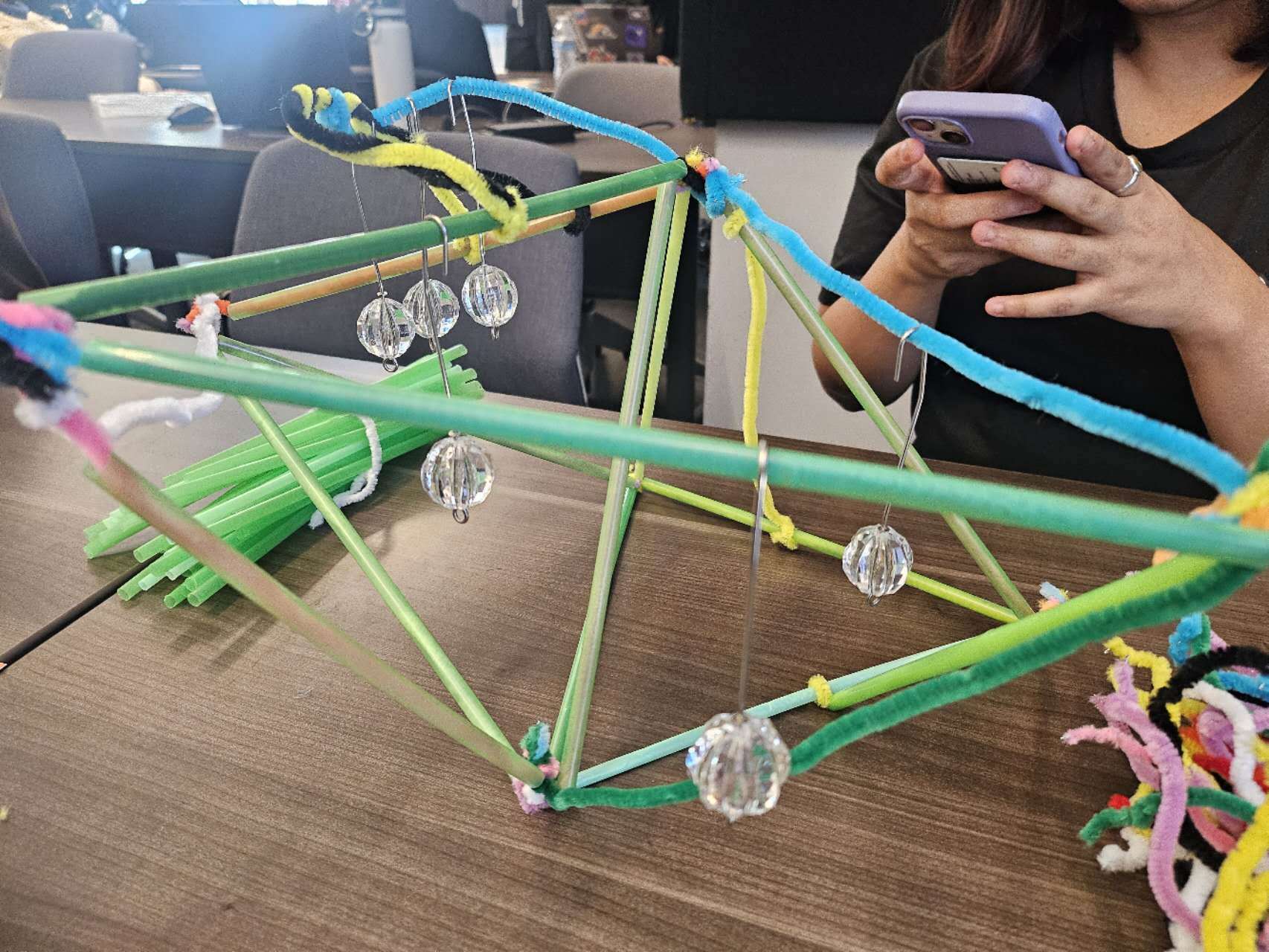 the brain architecture game,
played in CTIN 503
I'm also an Adjunct Instructor at West LA College, one of the nine community colleges in the LACCD system. We started our Game Art & Design program in August 2025, and it's been amazing to see our little classroom grow into an ecosystem of game development. Check out our Instagram page, where I've been practicing my short-form media production & editing skills. (Teachers really do it all, huh?)
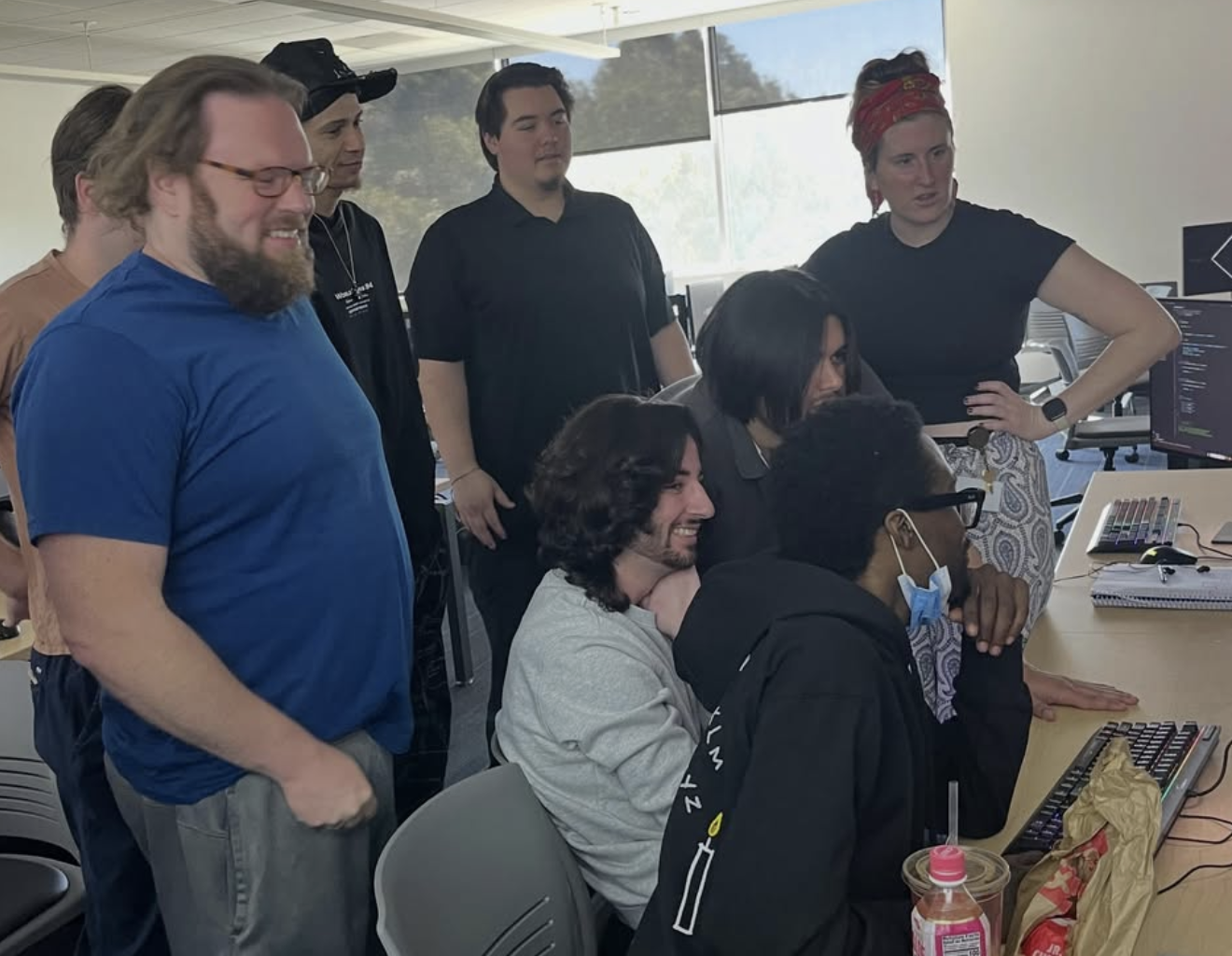 playtesting in GAD 203
spring 2026
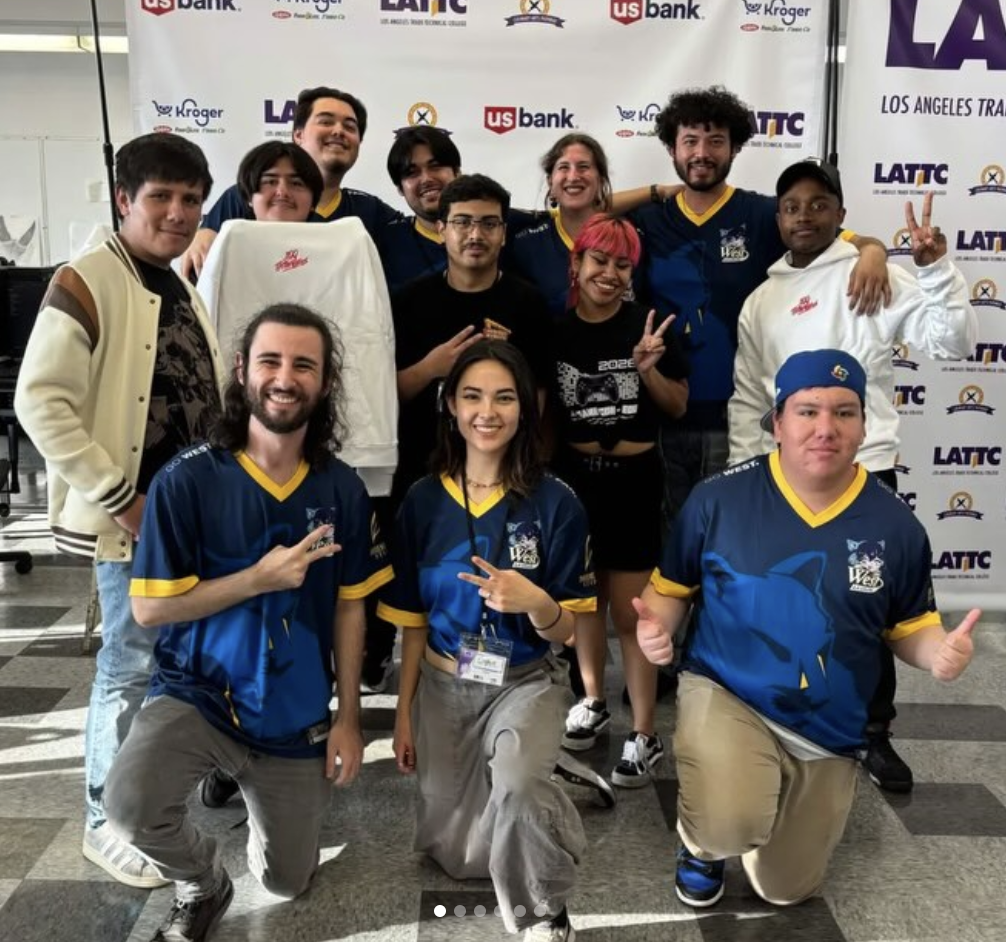 wlac e-sports team
(we have jerseys now!)
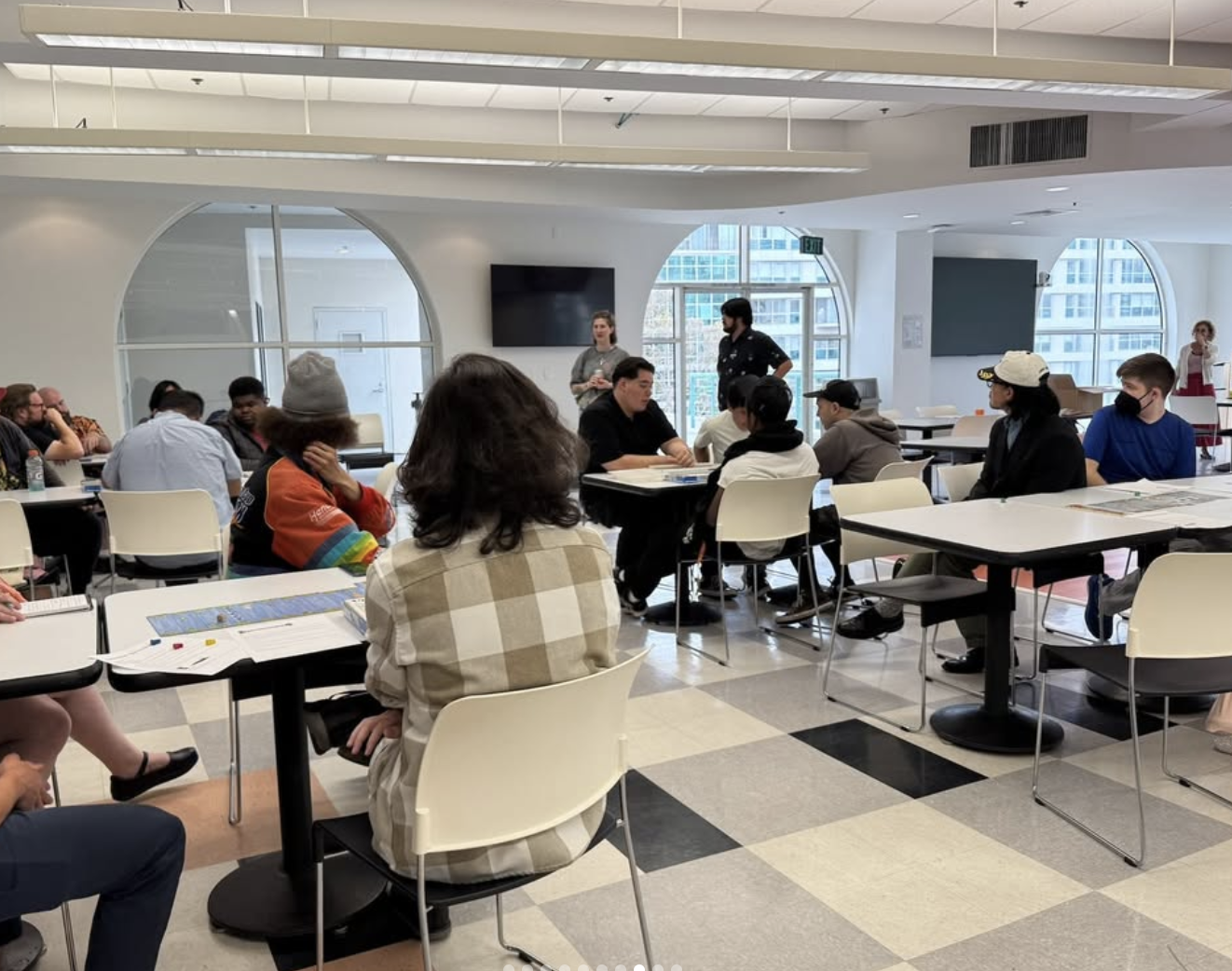 GAD 210 at indiecade's
2026 climate jam kickoff
I've been teaching in some form or another for more than 15 years now! I think classrooms can either provide safety and push intellectual limits, or they can reproduce carceral systems -- which is to say, I believe teachers need to "kill the cop in [our] heads". Freire said it better, I think:
"Education either functions as an instrument which is used to facilitate integration of the younger generation into the logic of the present system and bring about conformity, or it becomes the practice of freedom, the means by which [people] deal critically and creatively with reality and discover how to participate in the transformation of their world."
Paolo Freire, Pedagogy of the Oppressed
Teaching, to me, is also about learning. My students and I learn from each other, because they bring in their own expertise, languages, and experiences that are just as valuable as my lectures. In reality, my "lectures" end up looking a lot more like conversations. I prefer to engage students as much as possible, bring in their perspectives, and have them do the most talking. My courses are built on project-based learning, with plenty of formative assessments and self-reflections along the way. For more on my teaching philosophy, check out my old K12 teaching portfolio.
courses i teach 📝
| Course Number | Name | School | Description |
|---|---|---|---|
| GAD 101 | Intro to Game Design | WLAC | An introductory course in game design, which starts with modding board games. Students then start creative coding in P5.js, and use in-browser gamedev tools like bitsy, Twine, and Construct. |
| GAD 203 | Intro to Game Engines | WLAC | Students spend eight weeks making prototypes in Unity, and another eight working in Godot. Students put their programming logic into practice using C# and GDScript. |
| GAD 210 | Game Studio Production | WLAC | A two-part course, in which students group up and complete a capstone project over the course of six months. We use Richard Lemarchand's A Playful Production Process (2021) to structure project development. |
| CTIN 190 | Intro to Interactive Media | USC | Lead teacher: Dr. TreaAndrea Russworm. An introductory game studies course, critically examining elements of rhetoric in video games. |
| CTIN 503 | Interactive Media & Healthcare | USC | Lead teacher: Marientina Gotsis. A course for graduate students on clinical interventions, games for creative health, and more intersections between games, interactive media, and the healthcare system. |
| CTIN 510 | Research Methods | USC | Lead teacher: Marientina Gotsis. Quantitative and qualitative research methods for graduate students. |
| CTIN 487 | Documentary & Activist Games | USC | A game studies course exploring rhetoric of analog and digital games, and how interactive media documents and/or effects societal change. |


past
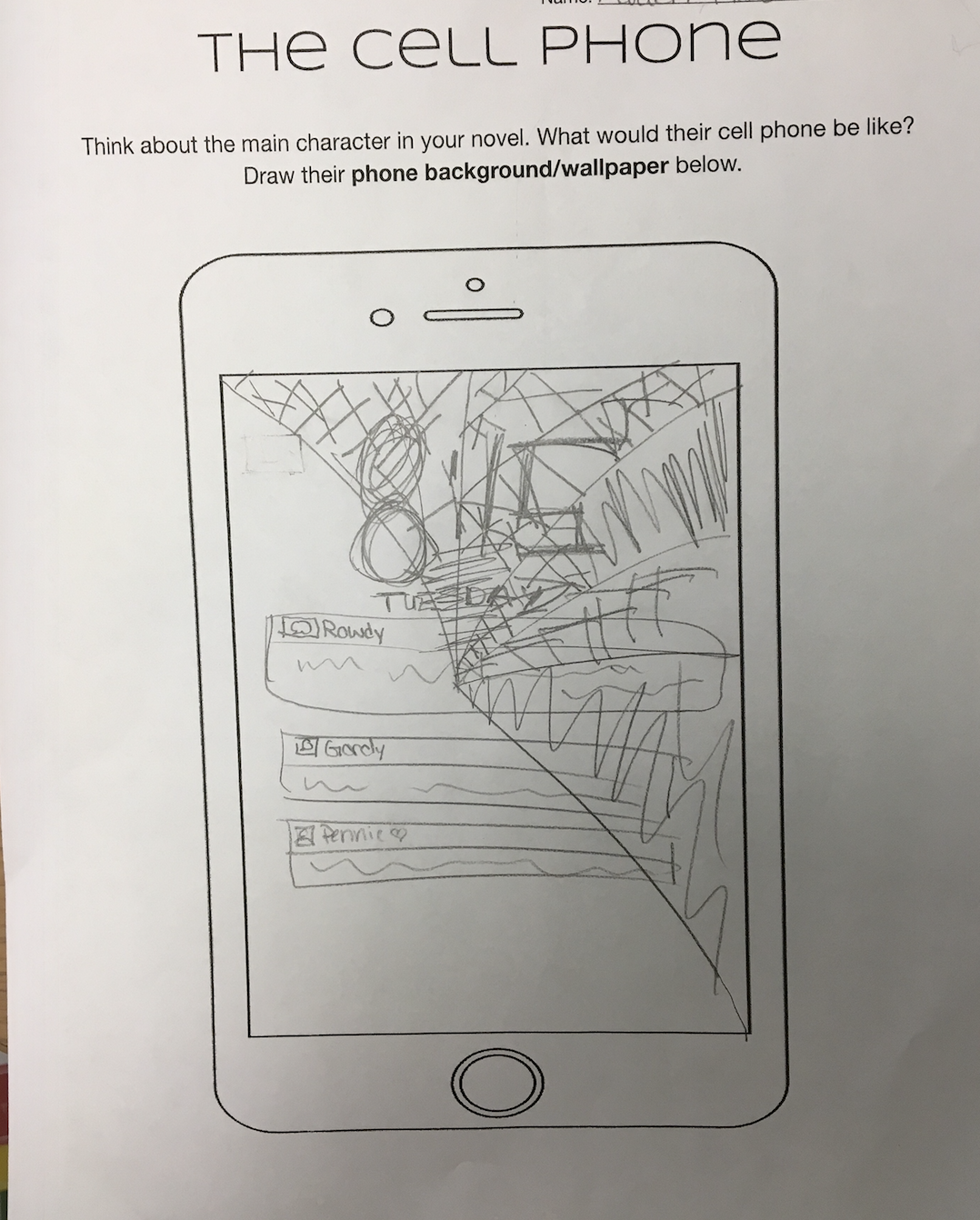
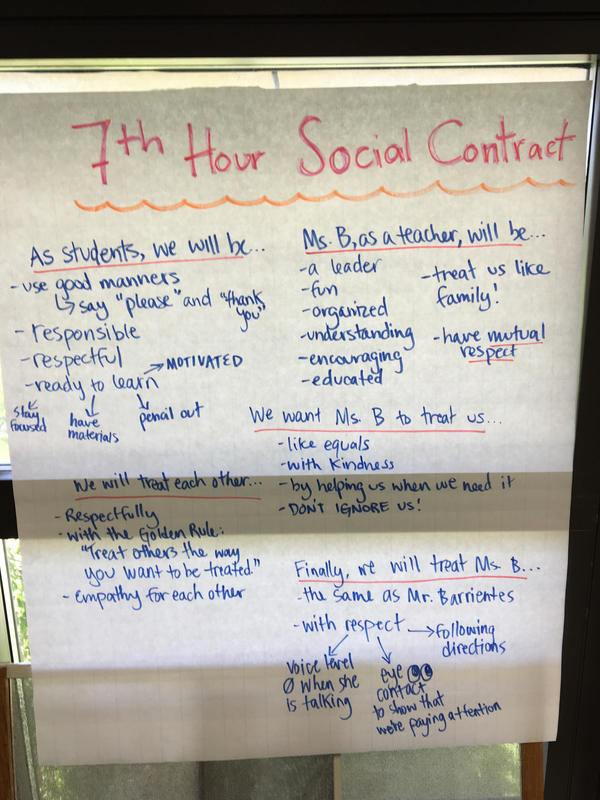
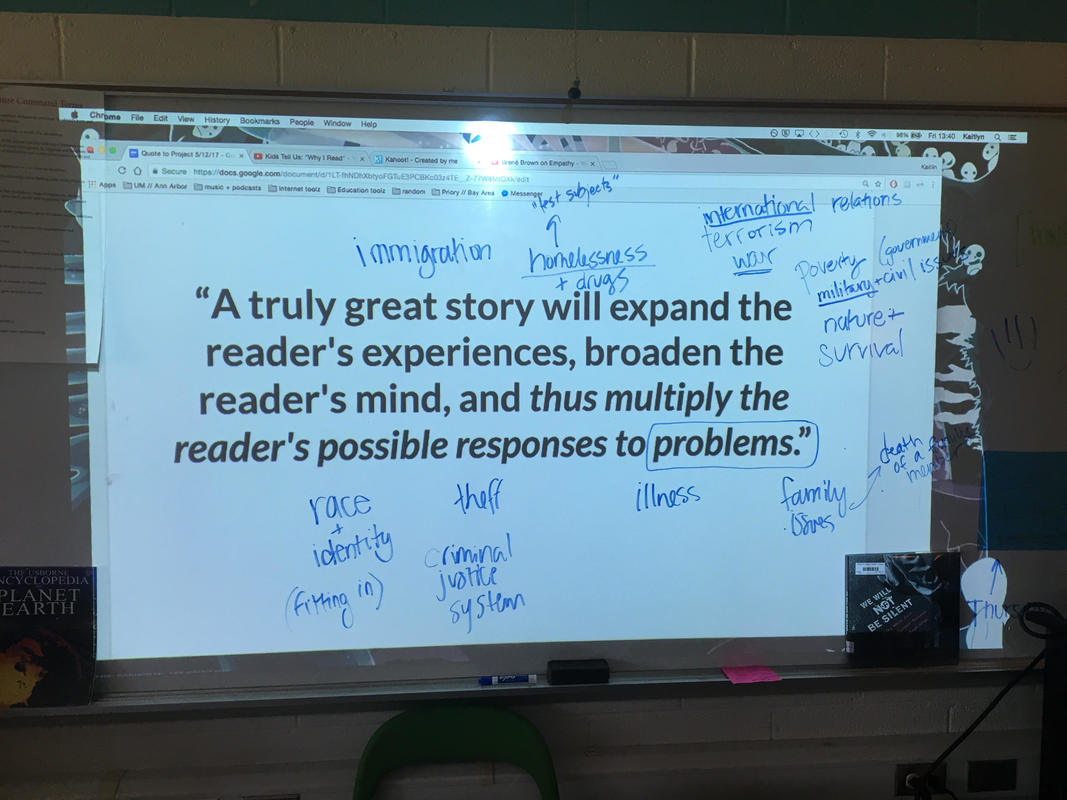
Before I began working in the video game industry, I was a middle and high school teacher! You can read more about my teaching philosophy, and see more artefacts from my K12 classrooms, on my digital portfolio